The Best Mulch For Tomatoes: Top Picks To Grow Juicy Delicious Tomatoes
Introduction
Tomatoes are a delicious and versatile vegetable that can be enjoyed in many different ways. Whether you like them fresh, cooked, or canned, tomatoes are a great addition to any meal.
One of the keys to growing juicy, delicious tomatoes is to mulch your plants. Mulch helps to conserve moisture, suppress weeds, and improve the overall health of your tomato plants.
In this blog post, we will discuss the best mulch for tomatoes. We will also provide tips on how to mulch your tomato plants properly.
What is Mulch?
Mulch is a layer of organic or inorganic material that is applied to the soil around plants. Mulch helps to conserve moisture, suppress weeds, and improve the overall health of plants.
There are many different types of mulch available, including wood chips, straw, bark, and compost. The best type of mulch for tomatoes will depend on your individual needs and preferences.
Why Mulch Tomatoes?
There are many reasons why you should mulch your tomato plants. Mulch helps to:
- Conserve moisture: Mulch helps to keep the soil moist, which is essential for tomatoes. Tomatoes need a lot of water to grow, but they don't like their roots to be soggy. Mulch helps to prevent the soil from drying out too quickly.
- Suppress weeds: Mulch helps to suppress weeds, which can compete with tomatoes for water and nutrients. Weeds can also harbor pests and diseases, so it's important to keep them under control.
- Improve soil health: Mulch helps to improve the overall health of the soil. As mulch decomposes, it releases nutrients into the soil that can benefit tomatoes. Mulch can also help to improve the drainage of the soil, which is important for tomatoes.
Types of Mulch for Tomatoes
There are many different types of mulch available, but not all of them are created equal. Some types of mulch are better for tomatoes than others.
Organic Mulch
Organic mulch is made from plant materials, such as wood chips, straw, bark, and compost. Organic mulch is the best type of mulch for tomatoes because it helps to improve the overall health of the soil. Organic mulch also releases nutrients into the soil as it decomposes.
Some popular types of organic mulch for tomatoes include:
- Wood chips: Wood chips are a great option for mulching tomatoes. They help to conserve moisture, suppress weeds, and improve the overall health of the soil.
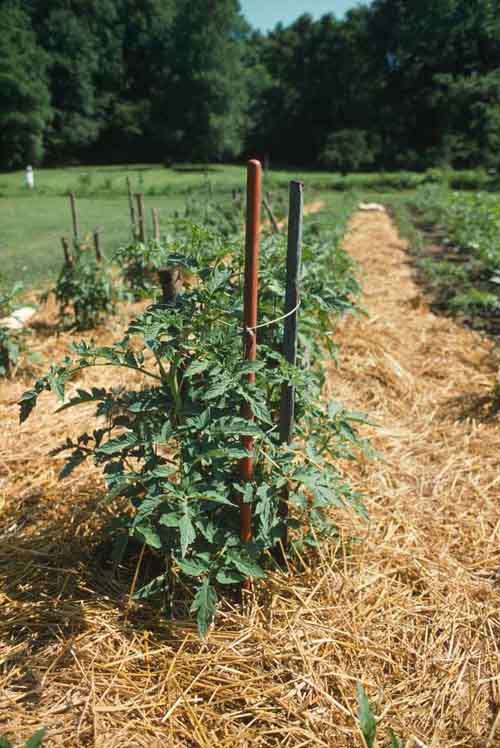
- Straw: Straw is another great option for mulching tomatoes. It is lightweight and easy to apply, and it helps to conserve moisture and suppress weeds.
- Bark: Bark is a more heavy-duty type of mulch that is often used around trees. It can be used to mulch tomatoes, but it is important to apply it in a thin layer so that it does not smother the plants.
- Compost: Compost is a great all-purpose mulch that can be used around any type of plant. It helps to improve the overall health of the soil and release nutrients as it decomposes.
Inorganic Mulch
Inorganic mulch is made from non-organic materials, such as gravel, pebbles, and plastic. Inorganic mulch is not as beneficial for tomatoes as organic mulch, but it can be used in some cases.
Some popular types of inorganic mulch for tomatoes include:
- Gravel: Gravel is a good option for mulching tomatoes in areas where weeds are a problem. It helps to suppress weeds and improve drainage.
- Pebbles: Pebbles are another good option for mulching tomatoes in areas where weeds are a problem. They are also more attractive than gravel.
- Plastic: Plastic mulch is a more permanent type of mulch that can be used around tomatoes. It helps to conserve moisture and suppress weeds.
How to Mulch Tomatoes
Once you have chosen the type of mulch you want to use, you need to apply it properly. Here are some tips on how to mulch tomatoes:
- Apply the mulch in a 2- to 3-inch layer around the plants.
- Do not apply the mulch too close to the stems of the plants.
- Keep the mulch away from the leaves of the plants.
- Reapply the mulch as needed throughout the season.
Conclusion
Mulching your tomato plants is a great way to improve their health and productivity. By using the right type of mulch and applying it properly, you can help your tomatoes to grow juicy, delicious tomatoes.
If you're looking for the best mulch for tomatoes, I recommend visiting Home Gardening. They have a comprehensive guide on the different types of mulch that are best for tomato plants, as well as tips on how to apply mulch correctly.
FAQ of best mulch for tomatoes
What is the best mulch for tomatoes?
There are many different types of mulch that can be used for tomatoes, but some of the most popular and effective include:
- Straw: Straw is a lightweight and easy-to-find mulch that helps to retain moisture, suppress weeds, and improve soil aeration.
- Peat moss: Peat moss is another good option for tomatoes, as it helps to retain moisture and add nutrients to the soil.
- Composted leaves: Composted leaves are a free and easy-to-use mulch that provides many of the same benefits as straw and peat moss.
- Wood chips: Wood chips are a good choice for tomatoes if you want a mulch that will last for several years. However, it is important to choose wood chips that are not treated with chemicals.
- Living mulch: Living mulches, such as clover or thyme, can help to suppress weeds and improve the health of your tomato plants.
What are the benefits of mulching tomatoes?
Mulching tomatoes has many benefits, including:
- Retaining moisture: Mulch helps to keep the soil around your tomato plants moist, which is essential for healthy growth.
- Suppressing weeds: Mulch helps to suppress weeds by blocking out sunlight and preventing them from germinating.
- Improving soil aeration: Mulch helps to improve soil aeration by allowing air to reach the roots of your tomato plants.
- Adding nutrients to the soil: Some types of mulch, such as composted leaves and peat moss, can add nutrients to the soil as they decompose.
- Protecting the soil from erosion: Mulch helps to protect the soil from erosion, which can be a problem in areas with heavy rainfall or wind.
How much mulch should I use around my tomato plants?
The amount of mulch you need to use around your tomato plants will depend on the size of your plants and the type of mulch you are using. However, a good rule of thumb is to apply a layer of mulch that is 2-3 inches thick.
When should I mulch my tomato plants?
The best time to mulch your tomato plants is in the spring, after the soil has warmed up and the plants have started to grow. However, you can also mulch your tomato plants in the fall to help protect the roots from frost.
How do I keep my mulch from blowing away?
If you live in an area with windy conditions, you may need to take steps to keep your mulch from blowing away. One way to do this is to anchor the mulch with stakes or rocks. You can also use a heavier type of mulch, such as wood chips or bark.
Image of best mulch for tomatoes
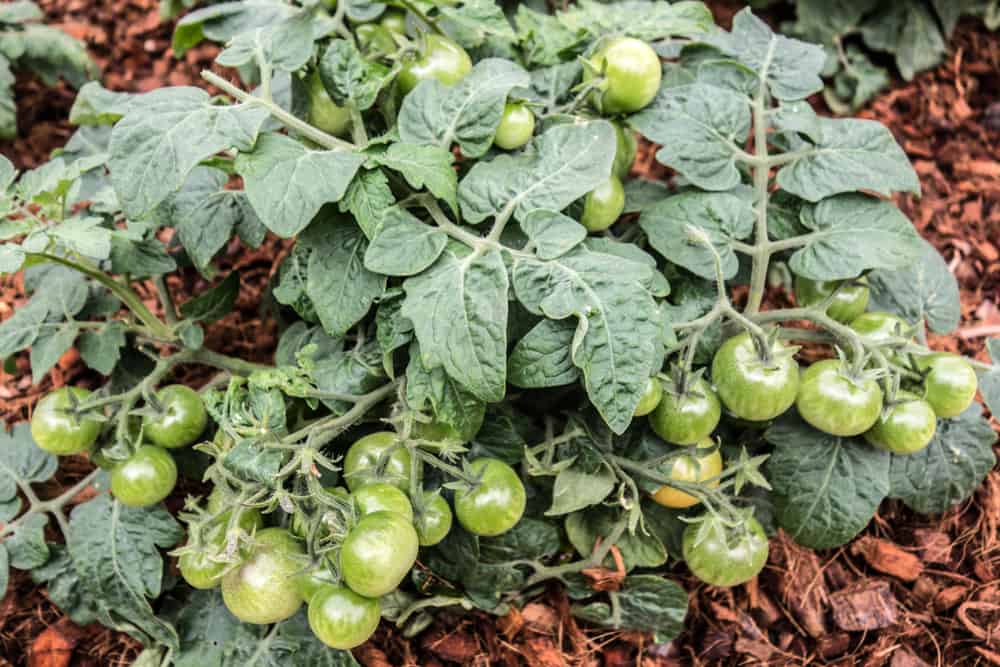
- Wood chips: Wood chips are a great option for mulching tomatoes because they help to retain moisture, suppress weeds, and improve drainage. They can be made from a variety of wood types, such as pine, oak, or maple.
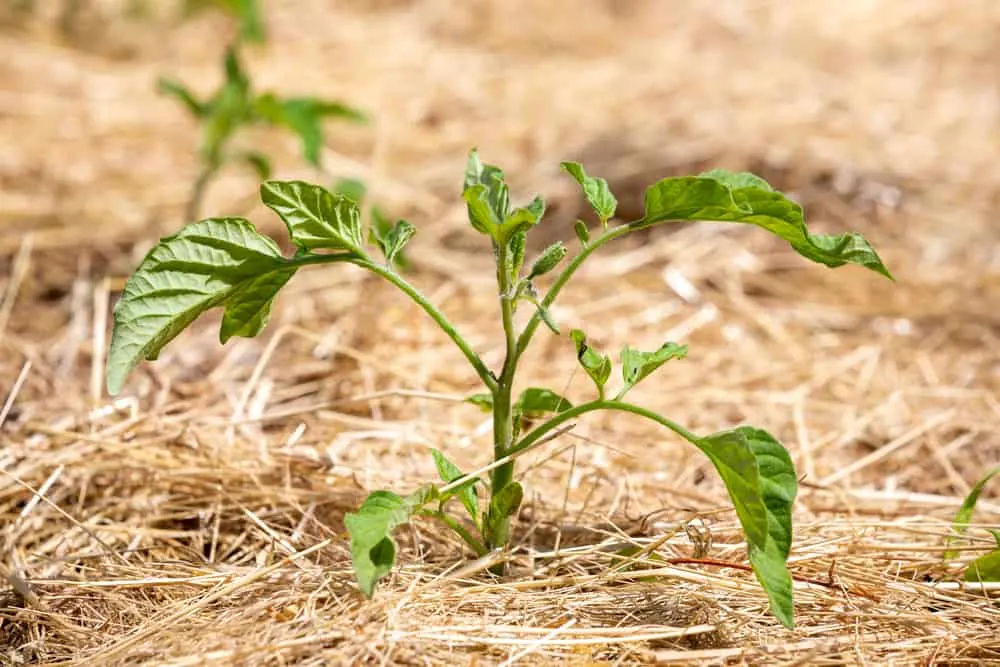
- Straw: Straw is another excellent choice for mulching tomatoes. It is lightweight and easy to spread, and it helps to suppress weeds and retain moisture. Straw can be made from wheat, rye, or barley.
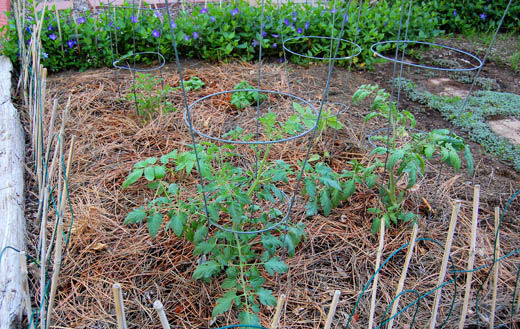
- Pine needles: Pine needles are a good choice for mulching tomatoes in acidic soils. They help to retain moisture and suppress weeds, and they also add organic matter to the soil.
- Shredded bark: Shredded bark is a versatile mulch that can be used for a variety of plants, including tomatoes. It helps to retain moisture, suppress weeds, and improve drainage.
- Grass clippings: Grass clippings are a free and easy way to mulch tomatoes. They help to retain moisture and suppress weeds, and they also add organic matter to the soil. However, it is important to avoid using grass clippings that have been treated with herbicides.
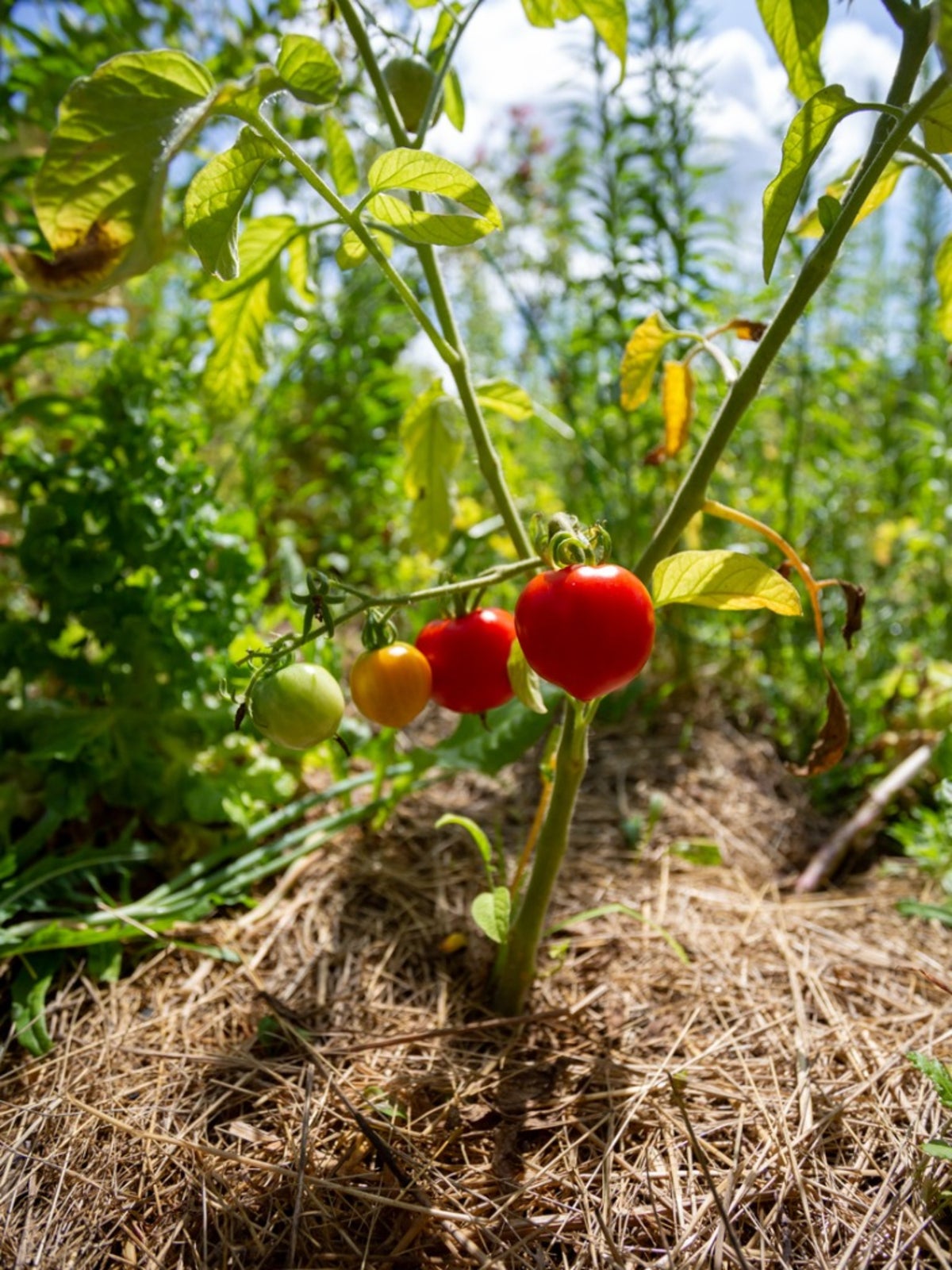
- Newspaper: Newspaper can be used as a mulch for tomatoes, but it is important to wet it before you apply it. This will help to prevent it from blowing away. Newspaper helps to suppress weeds and add organic matter to the soil.
- Compost: Compost is a great option for mulching tomatoes because it is organic and provides a number of benefits to the soil. Compost helps to retain moisture, suppress weeds, improve drainage, and add nutrients to the soil.
- Rocks: Rocks can be used as a mulch for tomatoes, but they are not as effective as other materials at suppressing weeds. Rocks do help to retain moisture and improve drainage.

- Plastic mulch: Plastic mulch is a non-organic option for mulching tomatoes. It helps to retain moisture and suppress weeds, but it can also trap heat, which can be harmful to tomatoes in hot climates.

Post a Comment for "The Best Mulch For Tomatoes: Top Picks To Grow Juicy Delicious Tomatoes"